
Vermont’s Long Trail.
The Long Trail (LT) is North America’s oldest long-distance recreational hiking trail, stretching the length of Vermont for 273 miles, from the Massachusetts line to the Quebec border. This “Footpath in the Wilderness” traverses the spine of the Green Mountains, a geological feature that not only dominates Vermont’s skyline but also gave rise to its name from the French, Verd Mont. The Long Trail passes through the Green Mountain National Forest, state forest lands, ski resorts, wilderness areas, state parks, and private holdings.
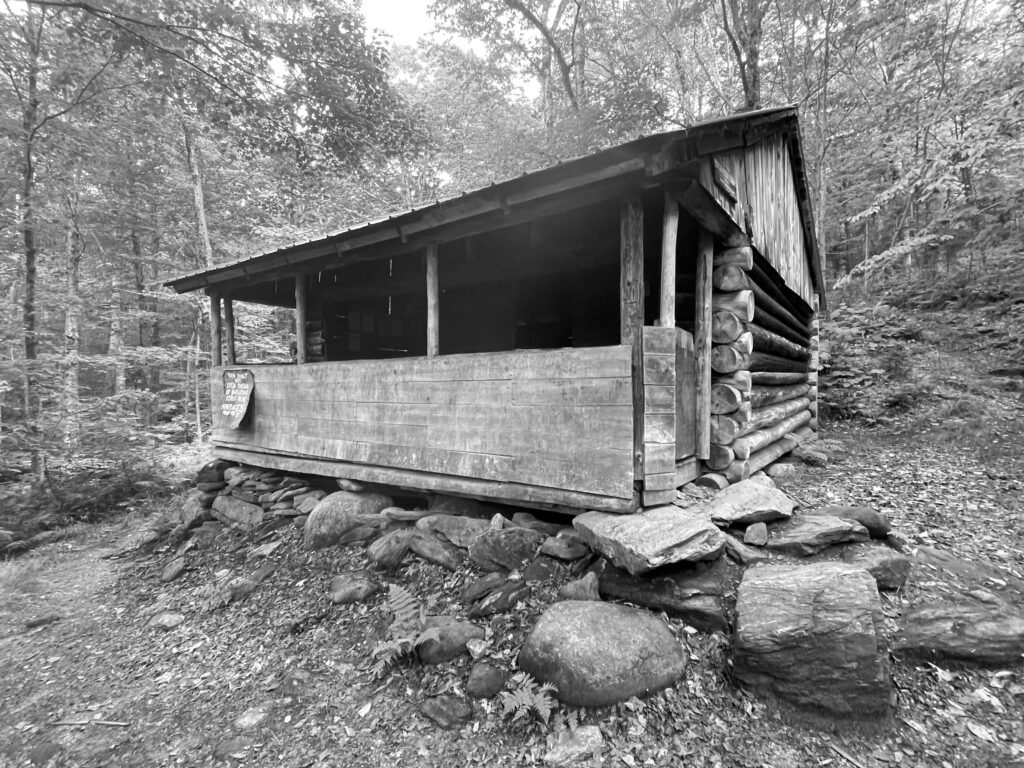
The trail was conceived in 1909 by James P. Taylor, headmaster of the Vermont Academy for Boys, while waiting for the weather to clear for a hike at Stratton Mountain. He envisioned a trail connecting the summits of the Green Mountains, incorporating a hut system similar to the one he encountered in Germany.
The following year, Taylor gathered support and formed the Green Mountain Club (GMC) to build and promote the Long Trail. Construction began almost immediately, and within a decade, the trail extended 209 miles from the Massachusetts border to Johnson. By 1927, the trail extended northward to Jay, and the final link to the Canadian border was completed in 1930.
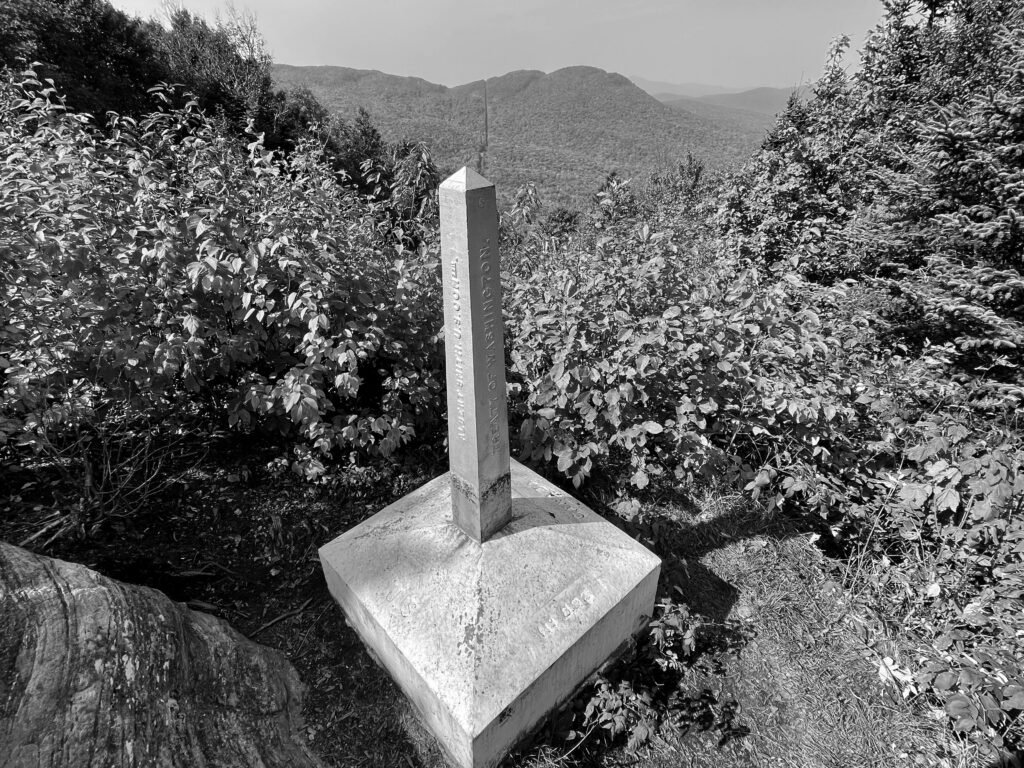
The northern terminus of the trail is at International Border Commission Line Post 592, one of more than 1,300 similar border markers between the US and Canada. The name “Journey’s End” was proposed for the shelter being built nearby despite some lighthearted debate in the 1933-34 Long Trail News. There were tongue-in-cheek suggestions that the name might confuse southbound hikers just beginning their hike. But the name for the shelter stuck, and over time it was informally adopted to signify the trail’s terminus as well.
The Long Trail set the foundation for other long-distance trails in the United States. Benton MacKaye incorporated several of the GMC’s construction and management principles in his 1921 proposal to establish the Appalachian Trail (AT). To this day, the AT follows the route of the elder Long Trail for just over 100 miles in Vermont before the two trails split at Maine Junction.
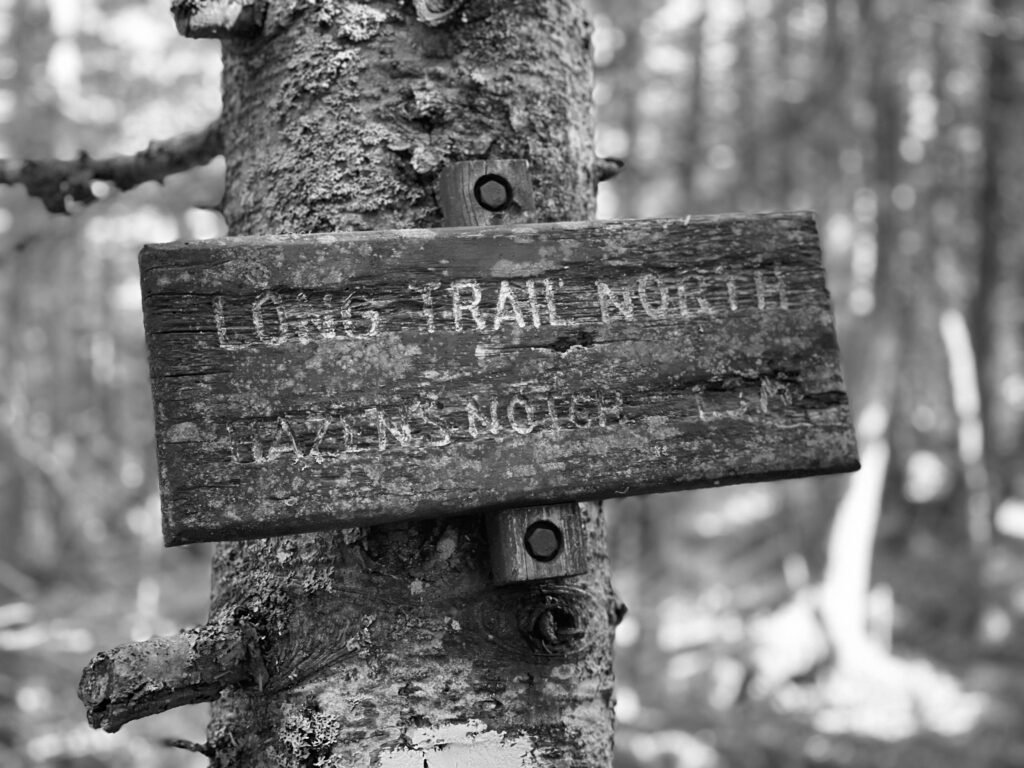
Through the efforts of the GMC, the people of Vermont quickly embraced the Long Trail, and it rapidly grew in popularity. In 1927, Hilda Kurth, Kathleen Norris, and Catherine Robbins became the first women to hike the entire LT. Great fanfare surrounded their trek as the press followed their progress and dubbed them “The Three Musketeers”. James Taylor, in his new role as executive director of the Vermont Chamber of Commerce, capitalized on the publicity surrounding these young hikers to promote both Vermont and the Long Trail. It was in this culture of enthusiasm for the Long Trail that my father embarked on a section hike in 1937 to celebrate his high school graduation in Barre, Vermont.
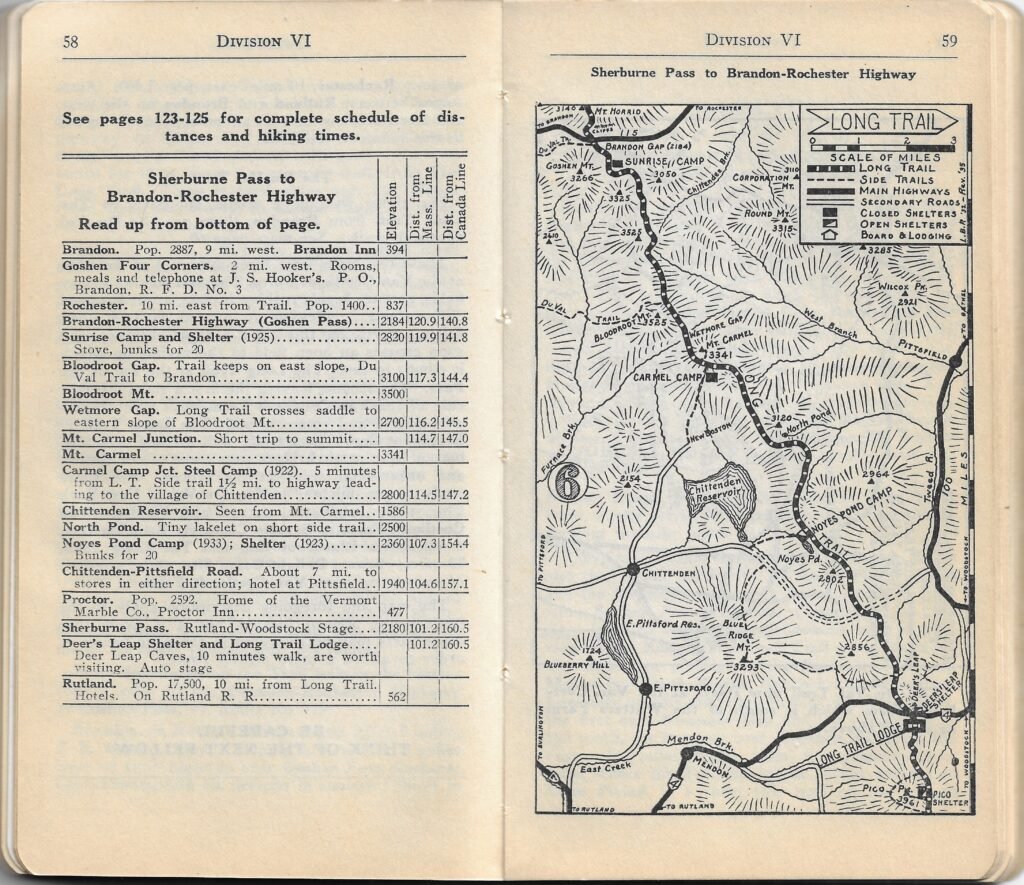
In the century since the trail’s completion, many adjacent farmlands have reverted to forest, and there have been a few short reroutes, but much of the early trail’s character remains today.
Poor Porkies
Perhaps the most significant difference between eras is in the number of porcupines encountered on the trail. With few predators to keep their numbers in check, Vermont became overpopulated with these large prickly rodents in the early 1900s. In those days, trampers were encouraged to kill all “porkies” on the Long Trail to limit damage to the huts, camps, and shelters. Today, porcupines pose a greater threat to curious dogs accompanying hikers on the trail.
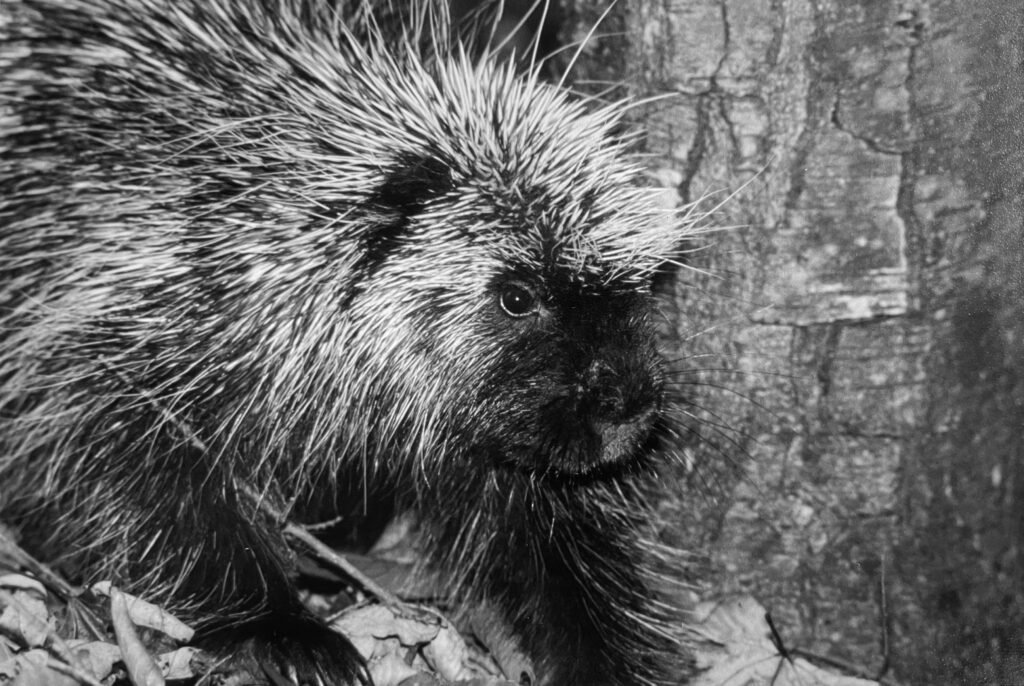
Although there are still porcupines, bears, moose, coyotes, deer, and other wildlife in these mountains, mice are perhaps the most significant wildlife nuisance encountered by overnight hikers today. Proper food storage techniques help mitigate these wildlife encounters. Many high-use camps on the LT have bear boxes to secure food and other scented items, keeping both bears and hikers safe.
The Green Mountain Club continues to maintain the Long Trail system in cooperation with many public and private stakeholders. GMC’s role includes trail maintenance; upkeep of more than 60 shelters and privies; placement of caretakers at strategic locations during peak hiking season; and planning, advocacy, and coordination with the Forest Service and federal, state, and local governments.
A Tradition of Tramping
Since 1943, the club has compiled a list of hikers who have completed all 273 miles of the footpath. To date, over 7000 “trampers” have been officially recognized by the GMC as “End-to-enders”. Historically, hikers on the LT have often been referred to as trampers, perhaps as an irreverent badge of honor, similar to the phrase “hiker trash” used by long-distance backpackers today.
The hiking boom of the 1970s and the surge in outdoor recreation during the COVID-19 pandemic increased traffic on the trail system, necessitating additional construction and maintenance. Current and future challenges include maintaining the treadway and structures, modernizing the backcountry privy system, repairing flood-damaged trail sections, protecting fragile alpine ecosystems, and peregrine falcon nesting sites – the list goes on.
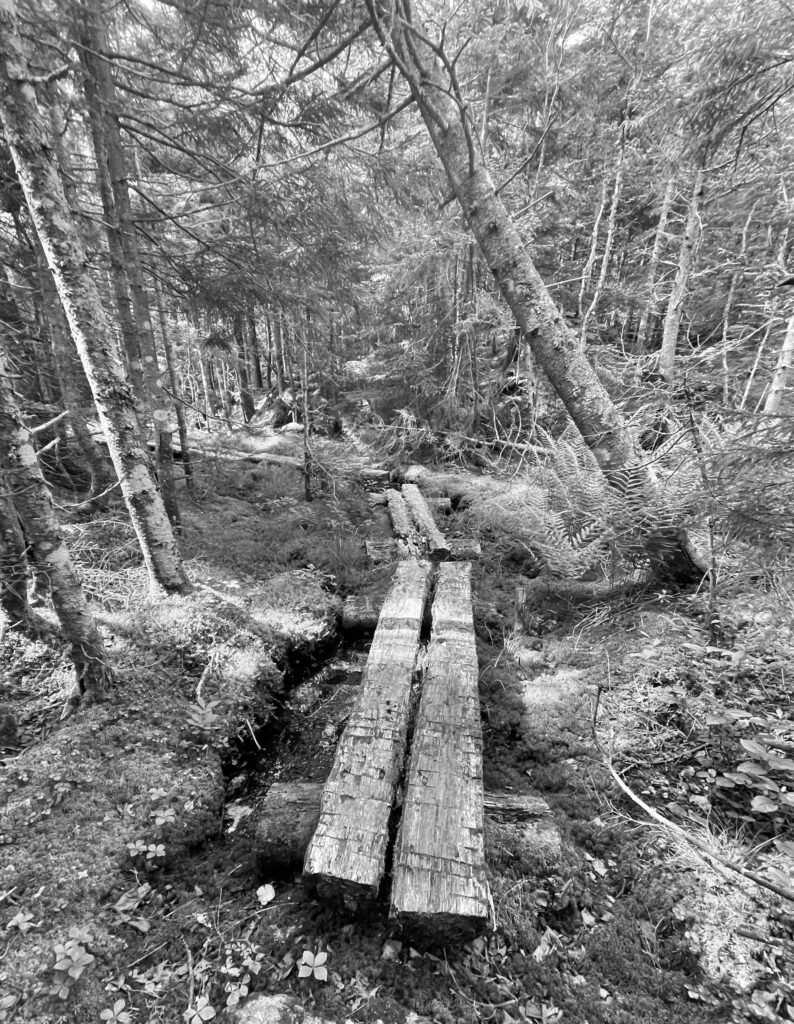
With increasingly frequent extreme weather events due to climate change, Vermont’s reputation for being exceptionally muddy is unlikely to change anytime soon. Installing bog-boards or puncheons through these sections is a never-ending job.
These modern challenges are being met by the GMC while maintaining a deep respect for the trail’s storied heritage. It is a testament to those efforts and ideals that I was able to embark on a wilderness trek similar to the one my father experienced 85 years prior. I will be forever grateful to the GMC and the people of Vermont for that opportunity.

Leave a Reply