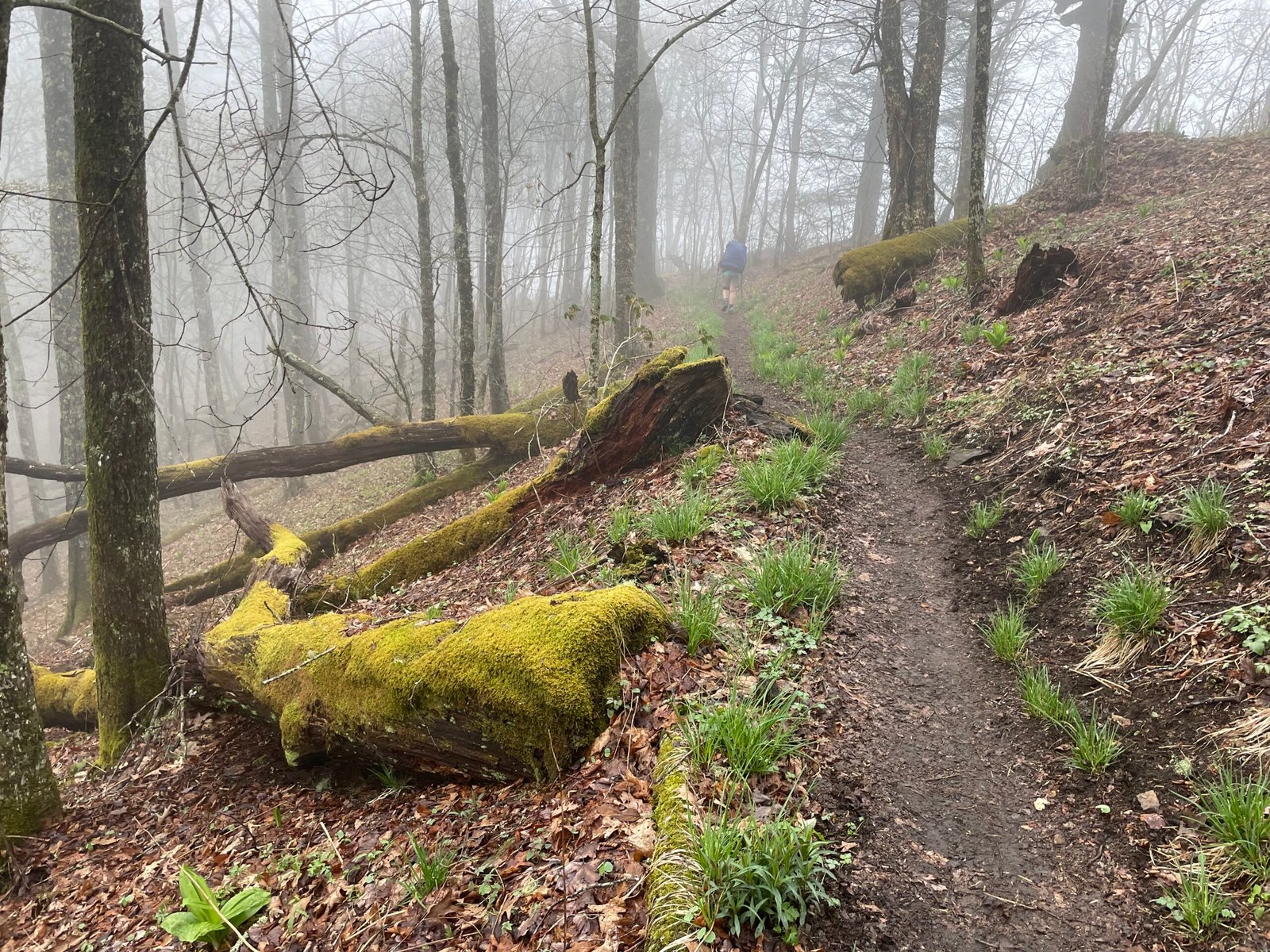
A New Season on the Trail
The month of March brings excitement to the long-distance hiking community, ushering in the change of season as well as the unofficial start of the Appalachian Trail thru-hiking season. Aspiring northbound (NOBO) thru-hikers set out on their journey from Springer Mountain in Georgia with the goal of summiting Mount Katahdin in Maine, 5-6 months later.
Hiking the full length of the AT is an amazing accomplishment of endurance and perseverance. With the large number of hikers heading out in early spring, a concentrated “bubble” soon forms, moving north with a momentum fueled by group energy and shared goals.
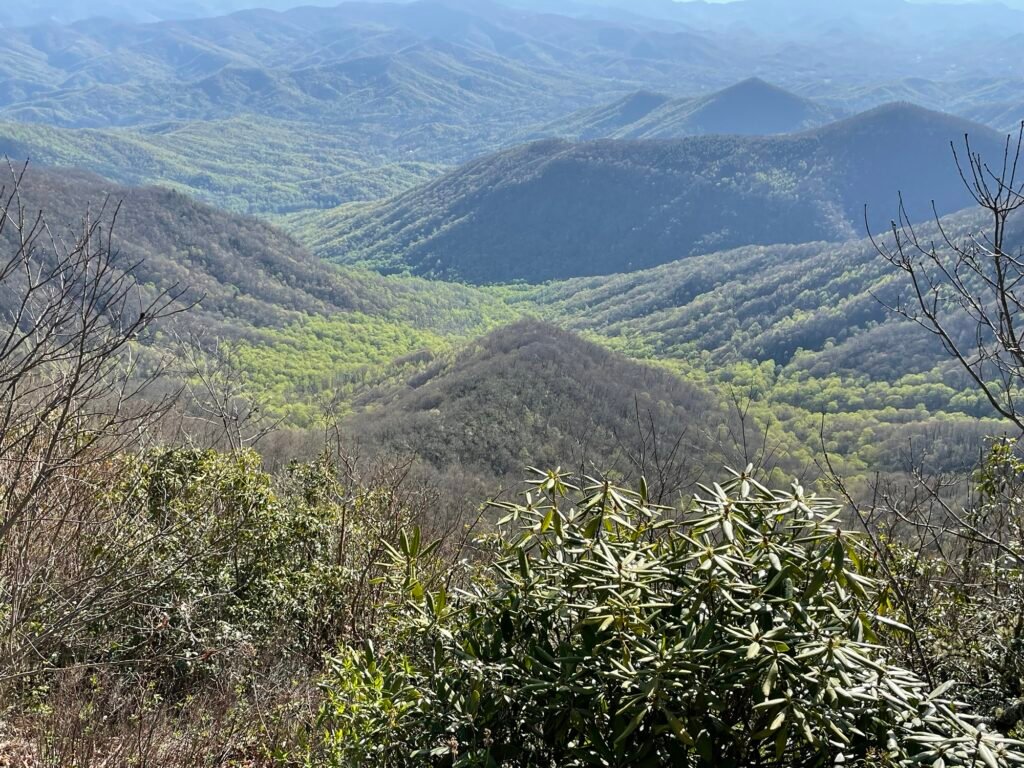
A smaller number of hikers begin at Katahdin and hike southbound (SOBO). And yet another group of thru-hikers begins somewhere in the middle, splitting the journey in two. Harper’s Ferry, WV, is a popular starting point for this approach. Many “Flip-floppers” head northbound from there to Katahdin, and then return to their start point to head south to Springer. Flip-flopping takes advantage of the best weather windows for hiking the trail and disperses hikers away from the concentrated bubble.
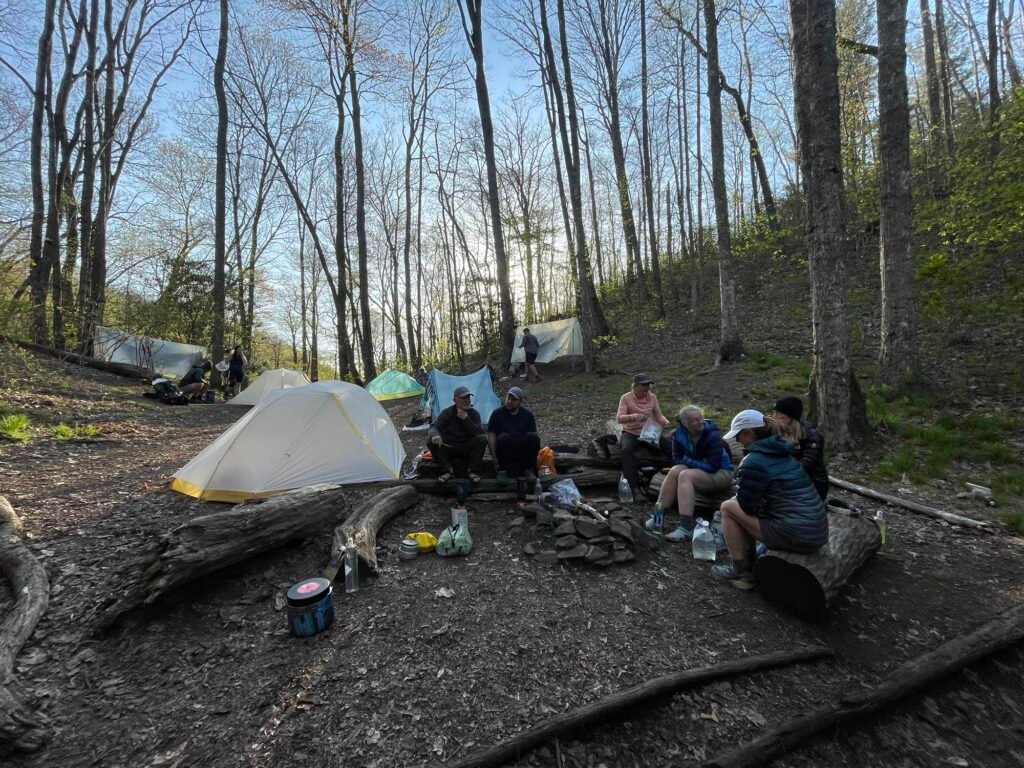
The Appalachian Trail Conservancy (ATC) estimates that only 25 percent of aspiring thru-hikers will complete the entire trail in a given year. Some of those hikers go back later to finish. I met a hiker last year at the Appalachian Long Distance Hikers’ Association (ALDHA) Gathering who said she was “only a section hiker.” More than halfway to Katahdin, she left the trail to attend a family wedding, later returning to complete the journey to Katahdin in two long sections. She said she couldn’t call it a thru-hike because of the break in the middle, implying that it was something less. I disagreed; sometimes life happens. It sure sounded like a thru-hike to me, but in her mind, it wasn’t.
Our discussion got me wondering about the term’s definition and the so-called “rules” that frame it. It should come as no surprise that the internet has opinions. Some purists argue that a thru-hike needs to be one continuous journey—that any significant time off the trail disqualifies it as a true-thru. But defining significant time off trail becomes a slippery slope: does it mean a day to rest, a week, a month to attend a wedding, or allow injuries to heal?
Defining what is, and isn’t, a thru-hike seems at odds with the often-used “Hike your own hike” slogan in the backpacking community. It’s a philosophy that discourages judging another hiker’s goals, methods, or motivation.
Legends
In 2025, 80-year-old Betty “The Legend” Kellenberger was widely celebrated after becoming the oldest woman to thru-hike the AT. She started her flip-flop hike the year before but was stopped by Hurricane Helene, which devastated extensive portions of the trail. The ATC encouraged aspiring SOBO or flip-flop thru-hikers to end their hike, suggesting it would still “count” as an official thru-hike and they could bring their miles forward to the following year. Betty did that.
Yet a few people questioned whether that truly qualified as a thru-hike since it wasn’t one continuous effort in a single hiking season. Fortunately, those dissenting voices were drowned by a tsunami of kudos, well-wishes, and admiration for Betty’s accomplishment. She’s a hero to many, myself included.
It’s important to note that the ATC gives equal recognition to both section hikers and thru-hikers in their 2000-miler list. Yet they still loosely define a thru-hiker as anyone who completes the trail in one year or less. Age records like Betty’s typically use this definition.
As I write this, another age-record is being challenged. Ninety-year-old Dale “Grey Beard” Sanders is back on the AT in a flip-flop attempt to reclaim the men’s age record from his friend M.J. “Nimblewill Nomad” Eberhart. Grey Beard split his hike across parts of two years, briefly coming off the trail during the coldest part of the winter. When asked about his chances at the record, Grey Beard often responds, “Lord willing and the creek don’t rise.” He’s currently on target to finish in less than twelve months to reclaim the record. Grey Beard, Betty, and Nimblewill are legends in the hiking community, and I hope to still be hiking when I reach that age.
My Definition
My thru-hike of the Long Trail wouldn’t meet everyone’s definition of a true thru. It took fourteen months to complete a hike that should have taken less than a month. Circumstances beyond my control forced me off the trail multiple times. First, a speeding car nearly took my life at a trail crossing. The resulting injuries required multiple surgeries and a year of recovery before I could backpack again.
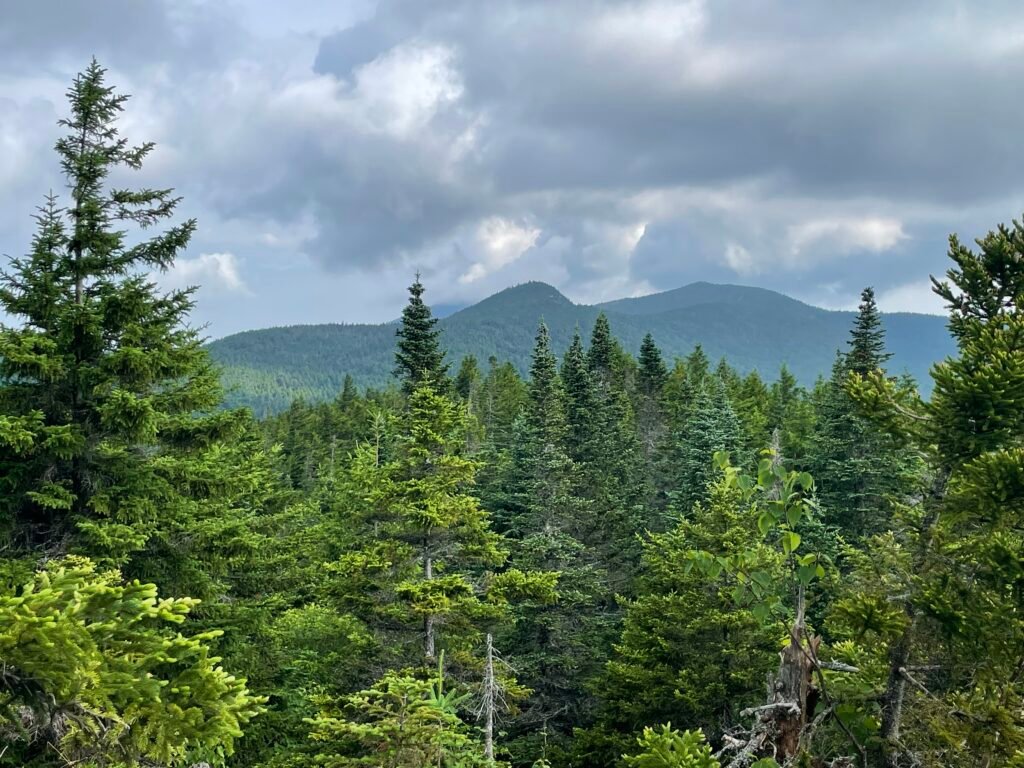
Physical limitations lingered, magnifying the challenges of the northern Long Trail. Then came historic flooding rains and trail closures. Each challenge meant significant time off the trail, but it could be described as a single continuous journey with a singular focus: completing the trail. Yet some would say it wasn’t a true thru-hike.
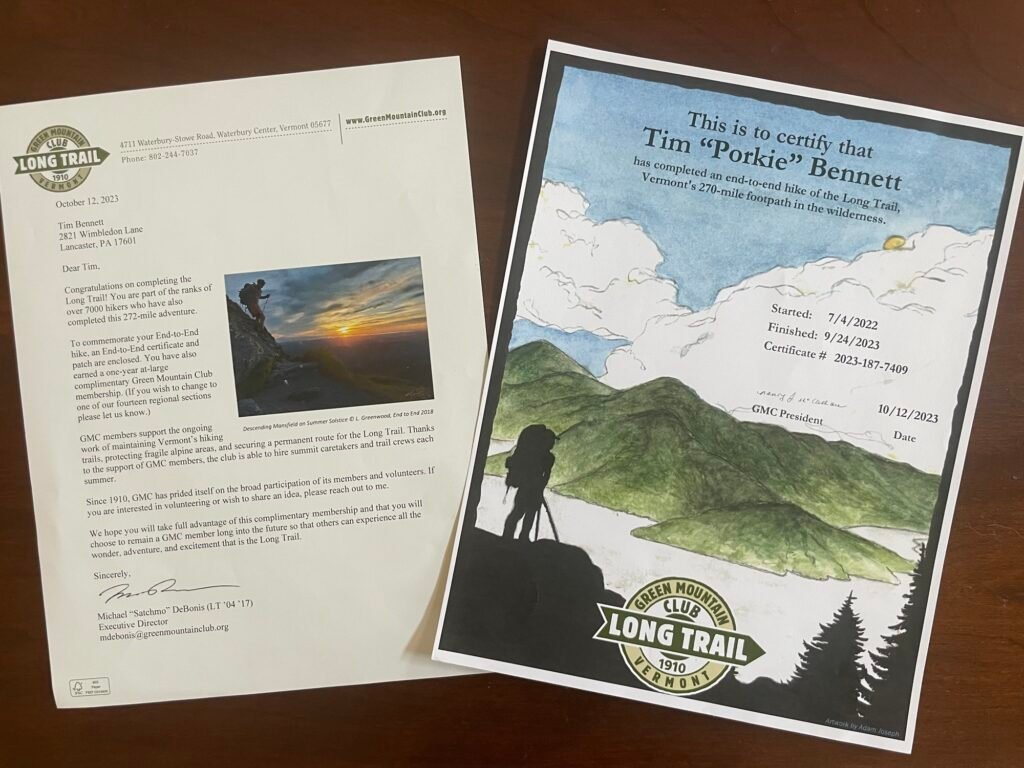
Fortunately, the Green Mountain Club makes no distinction between section hikers or thru-hikers in recognizing those who complete the entire LT as End-to-Enders. I like that. In my mind, thru-hiking is more of an attitude, something that can’t be measured in miles, time, or awards. It’s a mindset that keeps me going and able to face the challenges that come with the journey. I am proud to be recognized as a Long Trail End-to-Ender. I look forward to more thru-hikes in the near future.

Leave a Reply